frequency

Propagation Losses

Propagation Losses

Source: ResearchGate Propagation Losses in Optical Systems Understanding Propagation Losses in Optical Systems Introduction When light travels through a transparent medium, it can experience various losses that reduce its optical power. These losses are primarily due to absorption, scattering, and other physical effects. Causes of Propagation Losses Light can be absorbed by the medium, leading […]

Propagation Losses Read More »

Wavenumber

Wavenumber

Source: Wikipedia Understanding Wavenumber in Physics Wavenumber in Physics In general physics, the wavenumber of light is commonly defined as the magnitude of the wave vector, representing the phase delay per unit length during propagation of a plane wave. For light traveling in a medium, the wavenumber is calculated by multiplying the vacuum wavenumber by

Wavenumber Read More »

Chromatic Dispersion

Chromatic Dispersion

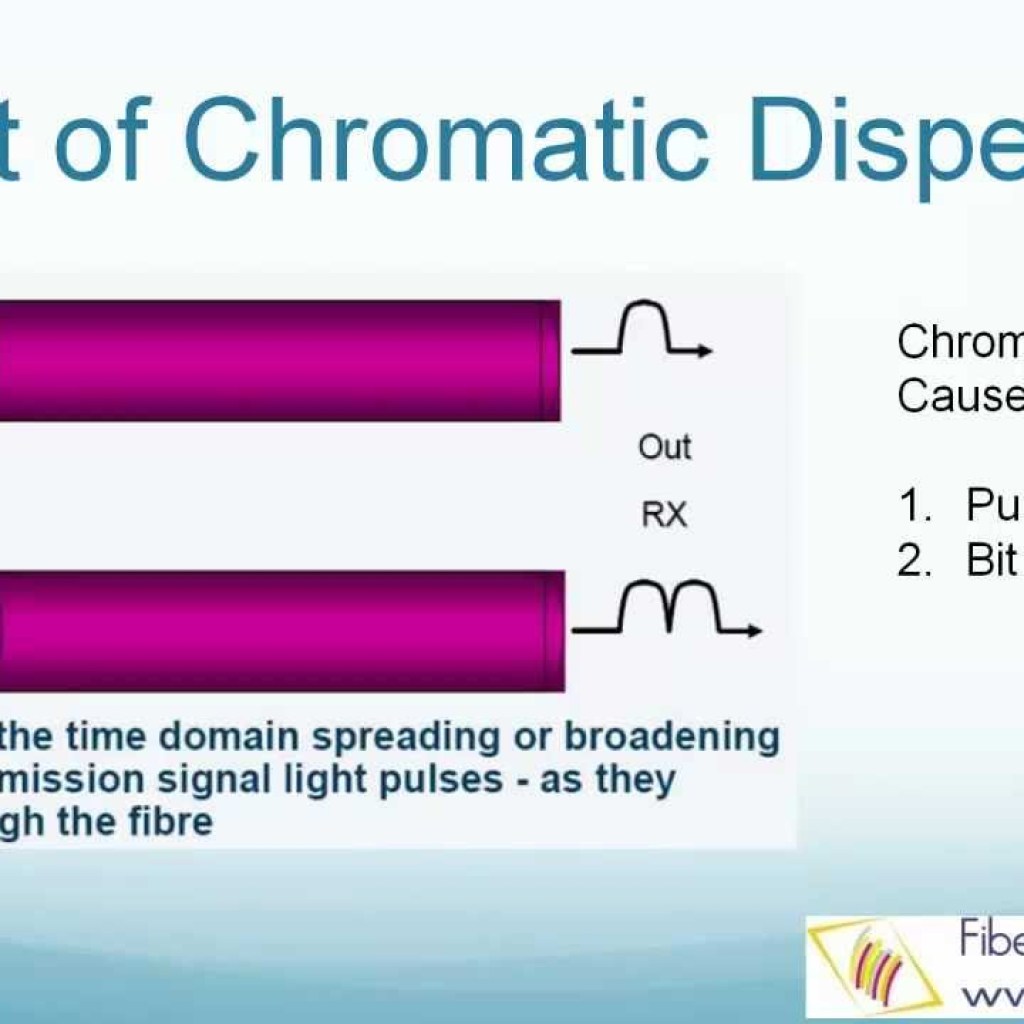
Source: YouTube Understanding Chromatic Dispersion in Optical Materials Understanding Chromatic Dispersion in Optical Materials Introduction to Chromatic Dispersion Chromatic dispersion is a key phenomenon in optics, where the phase velocity and group velocity of light in a medium vary with the optical frequency. This variation is primarily due to the interaction of light with the

Chromatic Dispersion Read More »

Optical Frequency

Optical Frequency

Source: National Institute of Standards and Technology Understanding Optical Frequency in Optics The Concept of Optical Frequency in Optics The optical frequency refers to the oscillation frequency of an electromagnetic wave, such as a laser beam. In the case of visible light, optical frequencies typically range between 400 THz and 700 THz, corresponding to vacuum

Optical Frequency Read More »

Scroll to Top