lasers

Lasing Without Inversion

Lasing Without Inversion

Source: ResearchGate Lasing Without Inversion Lasing Without Inversion Understanding the Concept Traditionally, lasers operate on the principle of population inversion, where the upper laser level has a higher population than the lower level, enabling stimulated emission and positive net gain. However, in the 1990s, researchers discovered that lasing without inversion is feasible by inducing quantum

Lasing Without Inversion Read More »

Laser Diode Testing

Laser Diode Testing

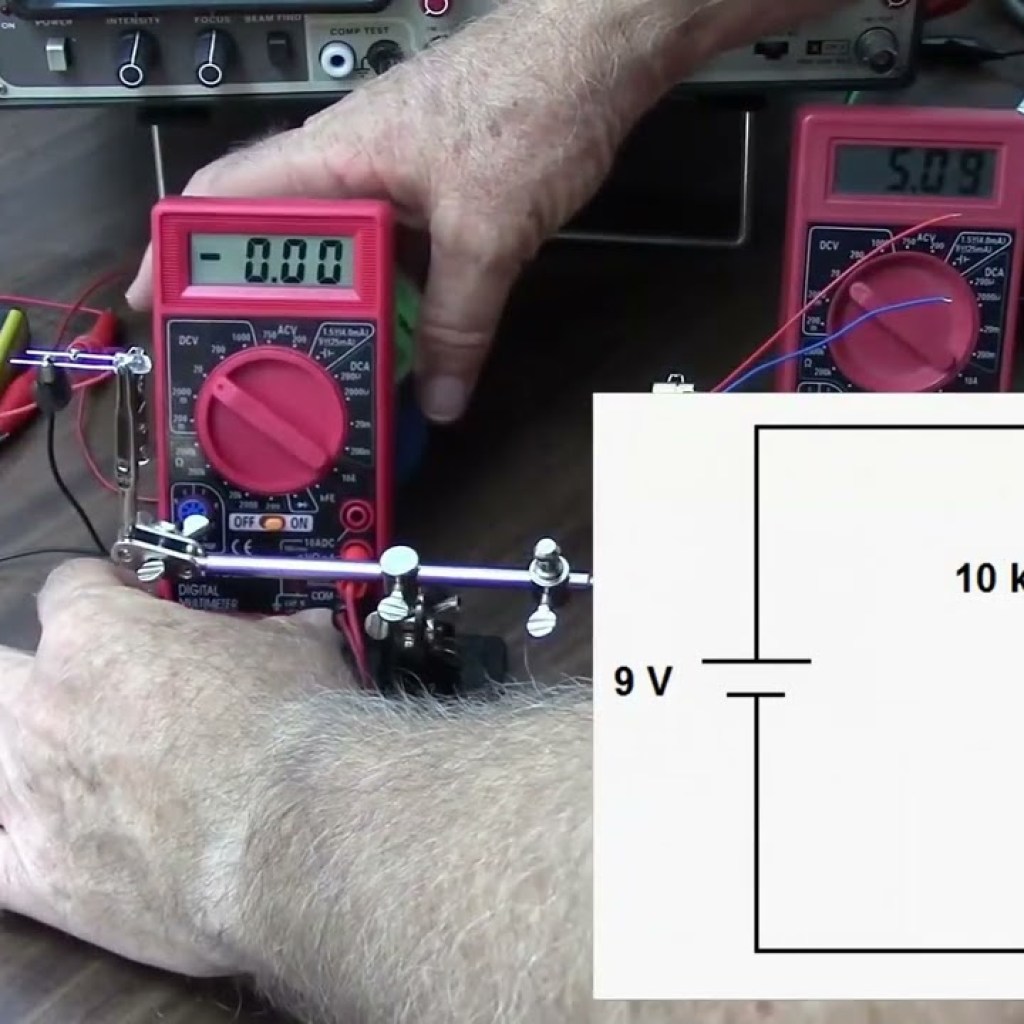
Source: YouTube Understanding Laser Diode Testing Introduction Laser diodes are essential components in various applications, and ensuring their reliability and performance is crucial. Testing laser diodes is a complex process that involves assessing various parameters to guarantee their functionality and longevity. Challenges in Laser Diode Testing Testing laser diodes presents several challenges, including the complexity

Laser Diode Testing Read More »

Laser Applications

Laser Applications

Source: North Slope Chillers Laser Applications in Various Fields Laser-Aided Manufacturing Laser technology is extensively used in manufacturing processes such as cutting, drilling, welding, and engraving. The high spatial coherence of laser light allows for precise processing of materials, leading to the fabrication of fine structures with high quality. Laser processing methods offer advantages over

Laser Applications Read More »

Slope Efficiency

Slope Efficiency

Source: ResearchGate Slope Efficiency in Lasers Slope efficiency is a crucial parameter in the performance evaluation of optically pumped lasers. It is defined as the ratio of the change in laser output power to the change in pump power. This efficiency is often represented by a linear curve, making it easy to quantify with a

Slope Efficiency Read More »

Ylf Lasers

Ylf Lasers

Source: Wikipedia Understanding Laser Technology The Basics of Laser Technology Laser technology is a fascinating field that has numerous applications in various industries, including medicine, communications, and manufacturing. Understanding the fundamentals of laser technology can provide insights into how these devices work and their diverse uses. Nonlinear Scattering Nonlinear scattering is a phenomenon where the

Ylf Lasers Read More »

Self-Terminating Laser Transitions

Self-Terminating Laser Transitions

Source: MDPI Understanding Self-Terminating Lasers Introduction Self-terminating lasers are a type of solid-state gain media with laser transitions where the lower laser level has a longer lifetime than the upper-state lifetime. This unique characteristic poses challenges for continuous-wave operation, as lasing can only occur for a short period before the lower level becomes too populated

Self-Terminating Laser Transitions Read More »

Modulation Depth

Modulation Depth

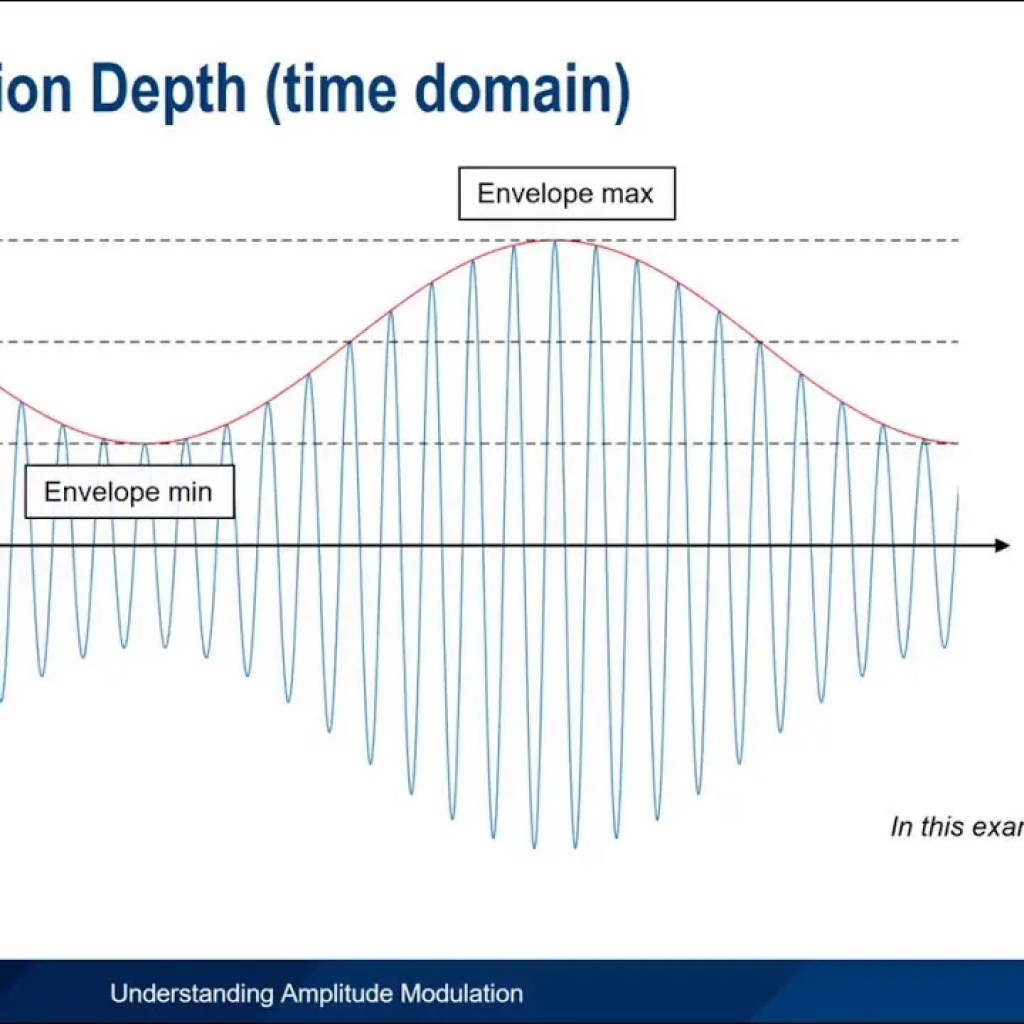
Source: YouTube Understanding Modulation Depth in Saturable Absorbers Modulation Depth Explained Modulation depth is a crucial parameter in the realm of photonics, particularly when dealing with optical modulators. It is defined as the modulation amplitude divided by the mean value of a sinusoidally modulated quantity. A modulation depth of 100% signifies that the minimum value

Modulation Depth Read More »

Semiconductor Lasers

Semiconductor Lasers

Source: Wikipedia Semiconductor Lasers: A Comprehensive Overview Introduction Semiconductor lasers are solid-state lasers that utilize semiconductor materials as their gain medium. These lasers operate based on stimulated emission at an interband transition within the semiconductor material, facilitated by a high carrier density in the conduction band. Physical Mechanism of Gain In semiconductor lasers, gain is

Semiconductor Lasers Read More »

Relaxation Oscillations

Relaxation Oscillations

Source: Radiomuseum The Science Behind Relaxation Oscillations in Lasers Understanding Laser Dynamics When lasers experience disturbances like fluctuations in pump power during operation, they exhibit a phenomenon known as relaxation oscillations. This behavior is common in class B lasers, where the upper-state lifetime is longer than the laser resonator’s damping time. Solid-state lasers and laser

Relaxation Oscillations Read More »

Scroll to Top