Contents
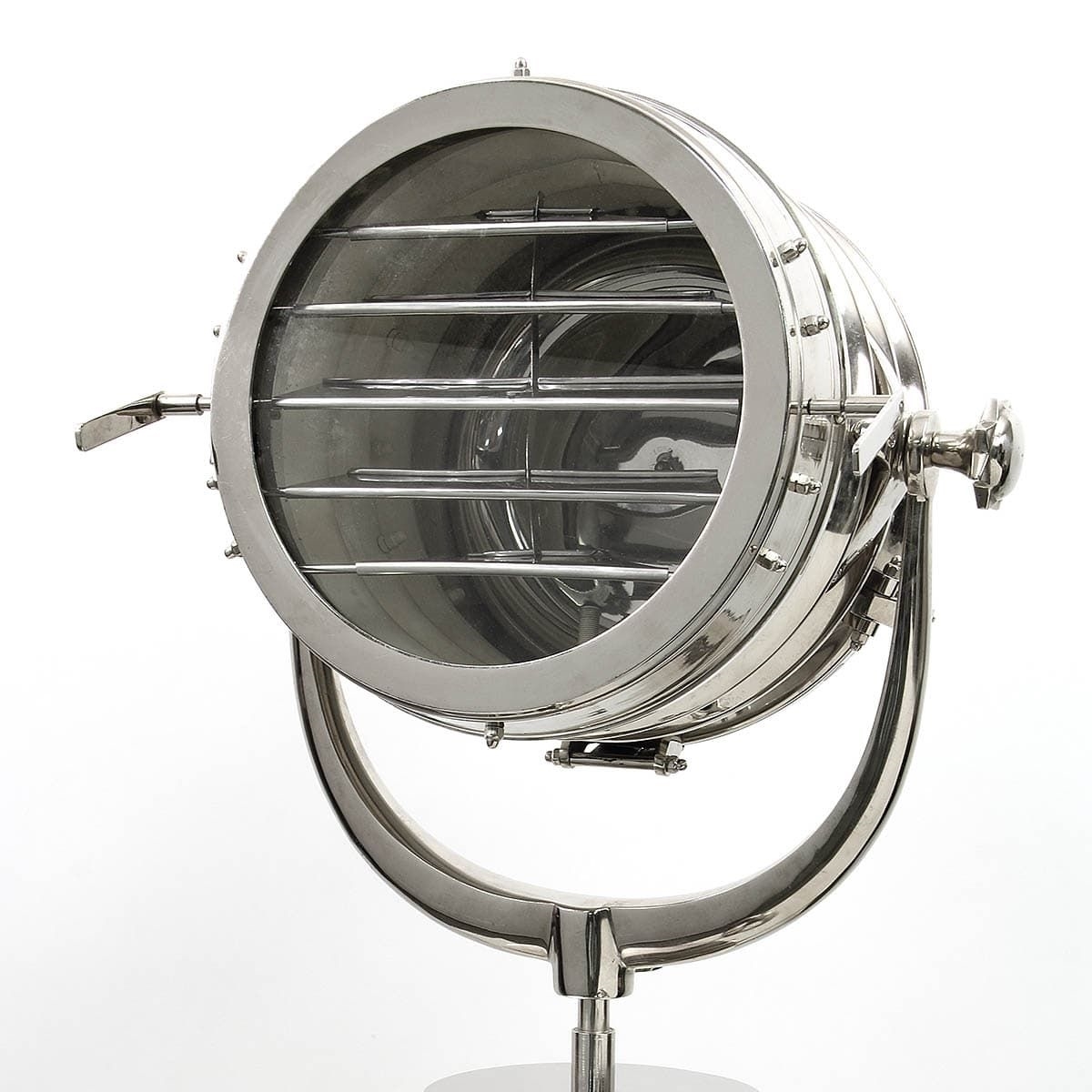
Source: Windlass Steelcrafts
The Evolution of Signal Lamps
Introduction
Signal lamps have a rich history, initially used for long-distance communication through light flashes. Today, these lamps serve as indicator lights for various applications, utilizing technologies like glow lamps, light-emitting diodes (LEDs), and incandescent lamps.
Types of Signal Lamps
Signal lamps come in various forms, each tailored for specific purposes:
- Glow Lamps: Commonly used for indicating the “on” state of electrical systems, glow lamps are cost-effective and operate directly on line voltage.
- LEDs: Ideal for low-voltage applications, LEDs offer high energy efficiency and are widely used in signaling, such as in traffic lights and safety warnings.
- Incandescent Lamps: While still in use, incandescent lamps are being replaced by LEDs due to their lower power consumption and longer lifespan.
Important Parameters
Key considerations for signal lamps include:
- Light Output and Color: Varying light intensities and colors serve different signaling purposes, such as green for normal operation and red for alerts.
- Diffuse or Directional Emission: Signal lights may emit light diffusely or directionally based on the viewing requirements.
- Drive Voltage: The choice of lamp technology depends on the available drive voltage, with glow lamps suitable for high voltages and LEDs for low voltages.
- Energy Efficiency: While not critical for signal lights, energy efficiency is essential for battery-powered devices, making LEDs a preferred choice.
- Lifetime and Reliability: Longevity and reliability are crucial, especially in safety-critical applications like car brake indicators.
- Switching Speed: LEDs offer rapid switching capabilities, essential for applications requiring fast responses.
- Size and Shape: Modern LED solutions provide flexibility in size and shape, allowing for diverse designs to meet specific requirements.
Conclusion
Signal lamps have evolved from long-distance communication tools to compact, efficient indicators for a wide range of applications. Understanding the key parameters and technologies behind these lamps is essential for selecting the most suitable solution for different signaling needs.

Source: USNI News – U.S. Naval Institute
Feel free to comment your thoughts.

Author
Experienced laser technology expert with years of experience working in both industrial and academic landscapes. Adept at leveraging business acumen and scientific skills to drive innovation and achieve breakthrough results. Aiming to further advance the realm of laser technology and its applications.